Protozoa Parasite Trichomoniasis
As a designer and embroidery product reviewer, I’ve evaluated countless machine embroidery designs over the years. Some are beautiful but impractical, while others are technically sound but lack visual appeal. Protozoa Parasite Trichomoniasis falls into a unique category—its bold, intricate visuals make it stand out, but its suitability for real-world projects requires careful consideration.
First Impressions: A Design That Demands Attention
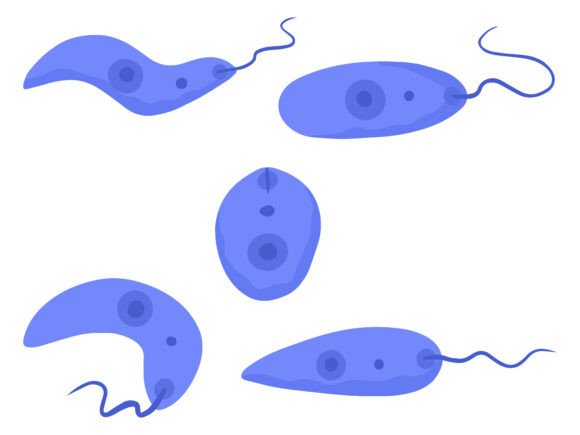
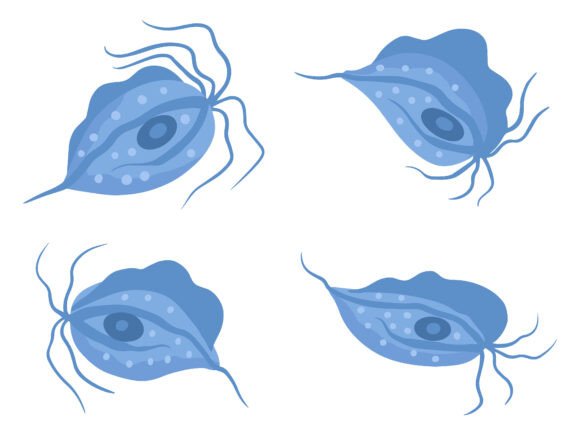
From the moment I opened the file, Protozoa Parasite Trichomoniasis caught my eye. The design features a complex, almost scientific-looking illustration of a parasitic organism, with swirling patterns and detailed textures that suggest a high level of artistic craftsmanship. It’s not the kind of design you’d typically find in a traditional embroidery collection, but that’s what makes it intriguing.
The layout is dense, with multiple layers of detail that could translate well to satin stitch or fill stitch techniques. However, the level of intricacy might not be ideal for all projects. This is a design that works best when it’s the focal point of a piece, rather than a subtle accent.
Real-World Embroidery Use Cases
For a custom embroidered tote bag or sweatshirt, Protozoa Parasite Trichomoniasis could be a strong statement piece. Its detailed nature would look striking on a large hoop, making it suitable for t-shirts, aprons, or even wall art. But I’d advise against using it on smaller items like baby clothes or patches where the details might get lost or appear too busy.
When considering a personalized gift, such as a holiday ornament or a custom pillow cover, this design could add an unexpected and memorable touch. It’s not the typical floral or geometric pattern, which could make it a conversation starter. However, its subject matter may not be appropriate for all audiences, so context matters.
Where to Use It Carefully
There are certain scenarios where Protozoa Parasite Trichomoniasis might not perform as well. On thin or stretchy fabrics, the design could become distorted or lose clarity. Similarly, on dark backgrounds, the contrast might not be sufficient unless the thread colors are carefully selected.
If you're working with a small hoop, this design might require multiple hooping sessions, which can be time-consuming and increase the risk of misalignment. For commercial embroidery projects, especially those involving layered garments or curved surfaces like caps, the complexity of the design could lead to stitching issues if not handled properly.
Visual Appeal and Customer Perception
Visually, Protozoa Parasite Trichomoniasis has a strong presence. It’s the kind of design that could elevate a handmade product from ordinary to extraordinary. However, its niche theme might not resonate with every customer. If you’re selling it as part of a craft business or Etsy listing, it’s important to consider your target audience and how they’ll perceive the design.
For a small shop product or boutique branding, this design could help differentiate your offerings. But if you’re aiming for broad appeal, it might be better to pair it with more universally recognizable imagery. The key is to balance creativity with marketability.
Practical Designer Notes
Before committing to any embroidery project, I always recommend testing the design on scrap fabric. This helps identify potential issues with stitch density, thread color contrast, and overall visibility. With Protozoa Parasite Trichomoniasis, I’d suggest running a few test stitches to see how the design translates on different materials.
Stabilizer is another critical factor. Because of the design’s density, a good stabilizer will help maintain the integrity of the stitches and prevent puckering. Additionally, checking whether the design works in black and white mockups can give you a better idea of how it will look on both light and dark fabrics.
If you’re planning to sell finished products or digital files, make sure to confirm the licensing terms. While the product description mentions use for various applications, it’s always wise to verify the rights before incorporating it into your commercial work.
Final Thoughts: A Bold Choice for the Right Project
Protozoa Parasite Trichomoniasis is not a design for the faint of heart. It’s bold, detailed, and unconventional—qualities that can make it either a standout feature or a potential misstep, depending on the context. As an embroidery designer, I appreciate its uniqueness, but I also recognize the need for caution when applying it to real-world projects.
For the right application—such as a custom apparel piece, a decorative wall art, or a specialty gift—it could be a powerful addition to your design arsenal. Just be mindful of the limitations and ensure it aligns with your creative and commercial goals.
Ultimately, Protozoa Parasite Trichomoniasis is a design that challenges expectations. Whether it becomes a favorite in your collection or a rare find depends entirely on how you choose to use it.