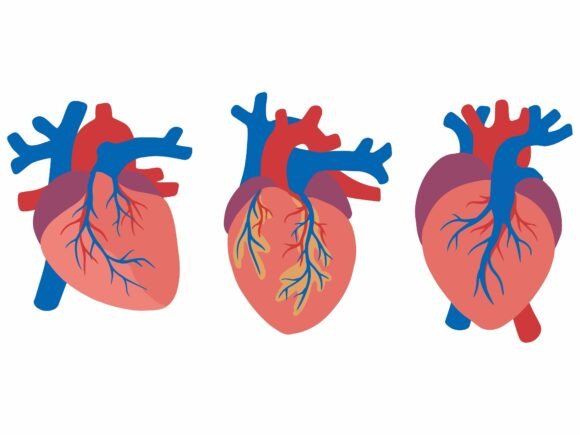
Human Heart Anatomy Illustration
As a designer and embroidery product reviewer, I often find myself evaluating digital files for their practicality, visual appeal, and real-world usability. The Human Heart Anatomy Illustration is one such design that caught my attention not just for its subject matter but for how it translates into actual embroidery work. This file has potential, but like any design, it requires thoughtful application to ensure it meets the needs of both the creator and the end user.
First Impressions: A Design with Purpose
The Human Heart Anatomy Illustration immediately conveys a sense of precision and educational value. The layout is clean, with clear delineation of heart structures, making it ideal for projects that aim to be informative or artistic. The detail level is sufficient for most embroidery applications, though it’s not overly complex. It feels like a design meant for a specific audience—perhaps those interested in medical art, science-themed decor, or personalized gifts with a meaningful touch.
This illustration would naturally fit into custom apparel, baby items, or wall art. Its structure allows for easy adaptation across different mediums, from tote bags to pillow covers. However, it's important to consider how the design will look once stitched, especially on fabric types that may alter the final appearance.
Real-Life Embroidery Use Cases
Imagine you're working on a custom embroidered tote bag for a client who wants something unique yet professional. The Human Heart Anatomy Illustration could be a great fit if the design is scaled appropriately. It would stand out on a white or light-colored cotton tote, adding a subtle yet impactful element to the overall look.
For sweatshirt embroidery, the design might need some adjustment in size and stitch density to ensure clarity without overwhelming the garment. On a baby onesie, it could serve as a gentle, meaningful addition, provided the stitching is soft and the fabric is suitable. For patches or aprons, the design would likely hold up well, especially if using a stabilizer to prevent distortion.
In holiday or wedding-themed projects, the illustration could be used as a decorative element, either on cards, invitations, or even as part of a larger design. Its clean lines make it adaptable to various color schemes and fabric types.
Where to Be Careful
Despite its strengths, the Human Heart Anatomy Illustration isn’t without limitations. If you're planning to use it on small hoop sizes, you may need to adjust the design or break it into sections. This is particularly important for intricate details that could be lost in tight spaces.
On textured fabrics or thin materials, the design might not show up as clearly as expected. Stretchy or dark fabrics can also affect the visibility of the stitches, especially if the thread colors aren't chosen carefully. For layered garments or curved surfaces like caps, the design may require extra attention to ensure it sits properly and doesn’t pucker or distort.
Small details, such as fine lines or tiny lettering, may not translate well unless the stitch density is adjusted. Similarly, dense areas of the design could cause the fabric to feel stiff or uncomfortable, depending on the application.
Impact on Visual Appeal and Customer Perception
The Human Heart Anatomy Illustration has the potential to elevate the visual appeal of any project it’s used on. Its clean, structured design adds a level of sophistication that can enhance the perceived value of a handmade product or commercial item. When executed well, it can create a strong impression, making the finished product more desirable to customers.
Stitching clarity is crucial here. If the design is too detailed or the stitch density is off, it could lead to a less-than-ideal outcome. This is where testing on scrap fabric becomes essential. Checking thread color contrast against the fabric background ensures the design stands out without clashing.
For small business owners and Etsy sellers, this design could be a valuable addition to their product lineup. It offers a unique angle that can attract buyers looking for something different. However, it’s important to present it in a way that highlights its quality and suitability for the intended use.
Practical Designer Notes
Before committing to a large batch of embroidery projects using the Human Heart Anatomy Illustration, I recommend testing it on a variety of fabrics. This will help determine how it behaves under different conditions and whether adjustments are needed.
Check the stitch density to ensure it’s appropriate for the fabric type and project. Confirm the hoop size required to accommodate the design without cutting it off. Inspect small details closely, as they can be easily missed during the digitizing process.
Use black and white mockups to see how the design looks without color. Compare it on light and dark fabric backgrounds to ensure visibility. Always use the proper stabilizer to prevent puckering or distortion, especially on delicate or stretchy materials.
Make sure the design works for both personal and commercial projects. Check the licensing terms before selling finished items or digital products. If the design is meant for sublimation or printing, confirm compatibility with your equipment and materials.
Final Thoughts
The Human Heart Anatomy Illustration is a versatile design with clear potential for a range of embroidery projects. Its structure and detail make it suitable for custom apparel, baby items, wall art, and more. However, like any machine embroidery design, it requires careful consideration of fabric type, stitch density, and hoop size to achieve the best results.
For designers, crafters, and small business owners, this illustration offers an opportunity to create meaningful, visually appealing products. With the right approach, it can become a standout piece in any collection, whether sold online or at a craft fair.