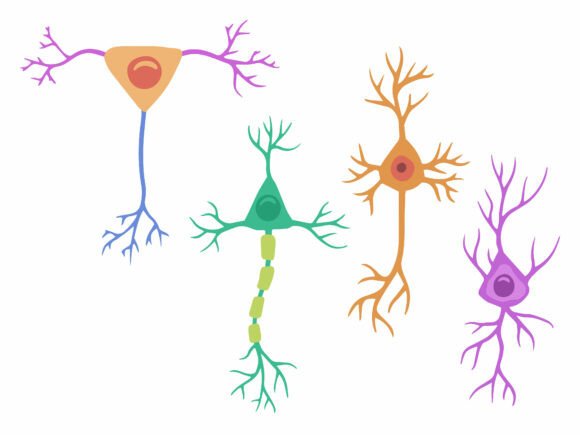
Pyramidal Neuron Cell Illustration
The Pyramidal Neuron Cell Illustration is a striking and intricate design that blends scientific curiosity with artistic flair. From the first glance, it evokes a sense of intellectual depth and visual sophistication. The central focus is a detailed representation of a neuron, with its characteristic pyramidal shape and branching structures. This makes it ideal for embroidery projects that aim to convey knowledge, creativity, or a unique aesthetic.
First Impressions and Design Fit
When I first saw the Pyramidal Neuron Cell Illustration, I was immediately drawn to its clean lines and precise detailing. The design has a modern, almost futuristic feel, which sets it apart from more traditional embroidery motifs. It’s not just a decorative element—it carries a narrative, making it a great choice for personalized gifts, educational items, or professional branding.
This illustration naturally fits into custom apparel, such as a tote bag design or sweatshirt embroidery. It also works well on baby clothes, where the theme of growth and learning can be subtly highlighted. For small business owners, this could be a standout piece in an Etsy shop or craft fair booth, especially if paired with thoughtful product descriptions and high-quality mockups.
Real-World Embroidery Performance
Using the Pyramidal Neuron Cell Illustration in real-life embroidery situations requires attention to detail. The design features a mix of satin stitch and fill stitch, which means it can hold up well on most fabrics. However, the level of detail may require a larger hoop size to ensure clarity and prevent distortion during stitching.
For a custom embroidered tote bag, this design would look sharp on a light-colored fabric, where the contrast between the thread colors and the background is clear. On darker materials, careful selection of thread colors is essential to maintain visibility. A white or light gray thread might work best, depending on the fabric shade.
When used on thin or stretchy fabrics, such as those found in baby clothes or t-shirts, a stabilizer is crucial. Without proper support, the design could pucker or lose definition. Similarly, on textured surfaces like caps or patches, the design may appear slightly less crisp, so testing on scrap fabric is always recommended before committing to a final project.
Where to Use With Caution
While the Pyramidal Neuron Cell Illustration is versatile, there are certain scenarios where it may not perform as well. Small hoop sizes can limit the ability to capture the full detail of the design, especially in areas with fine lines or tight curves. If you're working on a patch or a small item, consider simplifying the design or using a different motif.
On products that require frequent washing, such as kitchen towels or baby blankets, the durability of the stitches becomes a concern. Dense stitch areas may need reinforcement, and the design should be tested for wash resistance before being sold or gifted.
Additionally, if the design includes tiny lettering or intricate corners, these elements may not translate well to all embroidery machines. It’s always wise to review the file on a mockup or test it on a sample fabric before proceeding with a large batch of finished products.
Impact on Visual Appeal and Customer Perception
The Pyramidal Neuron Cell Illustration adds a unique touch to any embroidery project. Its complexity and thematic relevance can elevate the perceived value of a handmade product or commercial item. Customers often appreciate designs that tell a story or reflect a specific interest, which makes this illustration a strong candidate for personalized gifts or niche markets.
From a branding perspective, this design can help establish a professional image. Whether it's used on a boutique product or a digital embroidery file, the quality of the illustration reflects the care and thought put into the design process. For Etsy sellers or small shop owners, this can lead to increased customer trust and repeat business.
When included in printable mockups or digital product previews, the Pyramidal Neuron Cell Illustration can attract attention and drive engagement. Its visual appeal is enhanced when paired with other complementary designs, making it a valuable addition to any design asset library.
Practical Designer Notes
As an experienced designer, my top recommendation is to always test the Pyramidal Neuron Cell Illustration on scrap fabric before using it on a final project. This allows you to assess how the design looks in real life and make any necessary adjustments to stitch density or thread color.
Reviewing the file for stitch density is important, especially if you're planning to use it on a commercial embroidery project. If the design is too dense, it may cause issues with fabric tension or thread breakage. In such cases, simplifying the design or adjusting the stitch pattern could be beneficial.
Confirming the hoop size required for the design is another key step. If the design is too large for your machine’s hoop, you may need to split it into sections or adjust the layout. This is particularly important for applique designs or those with complex shapes.
Lastly, always check the licensing terms before selling finished items or digital products. While the description mentions that this file can be used for various purposes, it’s essential to verify that it meets your specific needs, especially if you’re planning to resell or distribute the design commercially.