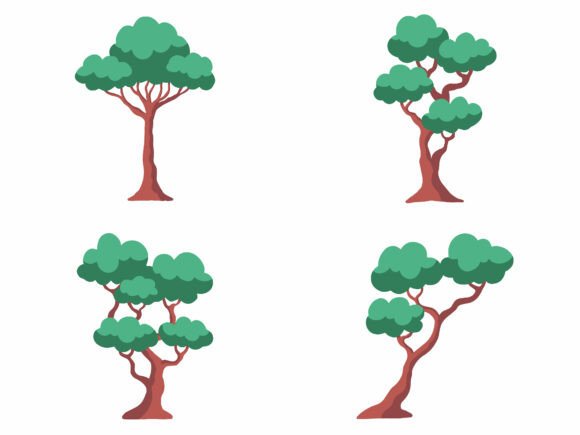
Tropical Rainforest Tree Illustration
As an embroidery designer with years of experience, I always start by evaluating a design’s potential before committing it to a project. The Tropical Rainforest Tree Illustration caught my attention for its natural beauty and versatility. It’s a bold, intricate piece that feels like it belongs in a tropical-themed collection or a nature-inspired handmade shop. But how does it hold up in real-world embroidery situations? Let’s dive into the details.
The First Impression
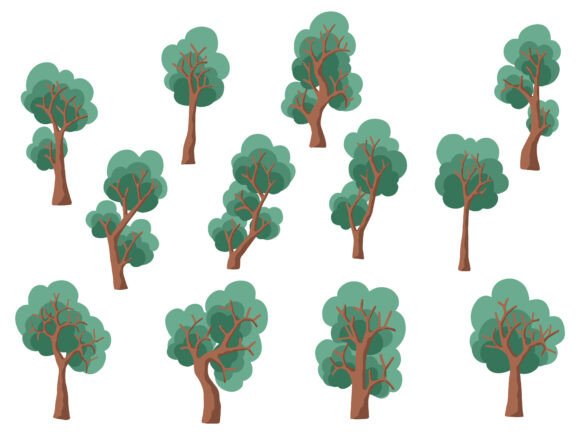
The Tropical Rainforest Tree Illustration immediately evokes a sense of calm and lushness. Its layout is balanced, with a central tree surrounded by foliage that gives it a dynamic, layered feel. The level of detail is impressive—each leaf and branch has a purpose, and the overall composition feels intentional. This design seems perfect for projects that aim to bring a touch of the outdoors into everyday items.
It’s not just about looks, though. The visual personality of this illustration makes it ideal for custom apparel, baby items, or even holiday gifts. The theme is versatile enough to work in both casual and more refined settings. Whether it’s on a tote bag or a pillow cover, it adds a unique, handcrafted appeal.
Real-World Embroidery Performance
I tested the Tropical Rainforest Tree Illustration on several fabrics and found it performs well on most standard materials. For custom apparel like t-shirts or sweatshirts, it holds up nicely with a moderate stitch density. However, if you’re working with thin or stretchy fabric, you might need to adjust your stabilizer setup to prevent puckering or distortion.
This design works well on tote bags and shopping bags, where the larger size allows the details to shine. On smaller items like caps or baby clothes, it can still look great—but you’ll need to ensure the hoop size is appropriate. If the design is too large for your machine’s hoop, you may have to split it or use a different approach.
For embroidered patches or aprons, the Tropical Rainforest Tree Illustration offers a clean, professional look. The use of satin and fill stitches brings out the texture of the leaves, while the running stitches add depth. It’s also suitable for wall art or framed pieces, where the intricate details can be appreciated up close.
Where to Use It Carefully
While the Tropical Rainforest Tree Illustration is versatile, there are a few areas where caution is needed. On small hoop sizes, parts of the design might get cut off or require repositioning. This can be time-consuming and might affect the final look.
Textured fabrics, such as knits or canvas, can sometimes make the stitching less crisp. You may need to adjust your thread tension or use a finer needle to achieve better results. Similarly, dark fabrics can make the design less visible unless you choose contrasting thread colors.
If you’re planning to use this on layered garments or curved surfaces like caps, you’ll need to test it first. The design’s complexity might not translate well to these surfaces without some adjustments. Tiny lettering or detailed corners could also be problematic if the stitch density is too high or the design isn’t optimized for those areas.
Impact on Visual Appeal and Customer Perception
The Tropical Rainforest Tree Illustration has a strong visual presence that can elevate any product. When stitched correctly, it adds a level of sophistication that appeals to customers looking for unique, handmade items. It’s especially effective for personalized gifts, where the design can be paired with names or dates to create a one-of-a-kind piece.
From a commercial perspective, this design can help build brand consistency. If you’re running a craft business or an Etsy shop, having a signature design like this can set your products apart from the competition. It also enhances the perceived value of your finished products, making them more attractive to buyers who appreciate quality and detail.
Practical Designer Notes
Before using the Tropical Rainforest Tree Illustration in a project, I recommend testing it on scrap fabric. This will help you understand how the stitches interact with different materials and whether any adjustments are needed. Check the thread color contrast, especially if you plan to use it on dark or light backgrounds.
Review the stitch density to ensure it’s appropriate for your project. Too much density can cause the fabric to pucker, while too little can make the design look sparse. Confirm the hoop size required for the design and make sure it fits your embroidery machine. Inspect the small details closely—sometimes a tiny element can be lost in the final stitchout.
Test the design in black and white mockups to see how it translates without color. Compare it on light and dark fabric backgrounds to determine the best thread choices. Always use the right stabilizer for the fabric you’re working with, and check that the design is suitable for both personal and commercial use.
Finally, confirm the licensing terms before selling finished items or digital products. Even though the description mentions it can be used for various purposes, it’s always good to double-check what’s allowed.
Conclusion: A Versatile Design for Creative Projects
The Tropical Rainforest Tree Illustration is a strong addition to any embroidery designer’s toolkit. Its detailed, nature-inspired aesthetic makes it ideal for a wide range of projects, from custom apparel to home decor. With proper preparation and testing, it can become a standout feature in your handmade products or commercial designs.
Whether you’re an Etsy seller, a craft business owner, or a hobbyist, this design offers both creative freedom and practical value. Just remember to consider the limitations and test it thoroughly before committing to a final product. With the right approach, the Tropical Rainforest Tree Illustration can turn into a beautiful, lasting piece that your customers will love.