Rolling Up Paper Illustration
As an embroidery designer and product reviewer, I’ve evaluated countless designs for real-world use. Rolled Up Paper Illustration stands out as a versatile and visually engaging option, but its success depends on how it’s applied. Let me walk through my thought process on how this design performs in practical embroidery projects and what to consider before using it in your own work.
First Impressions: A Design That Evokes Creativity
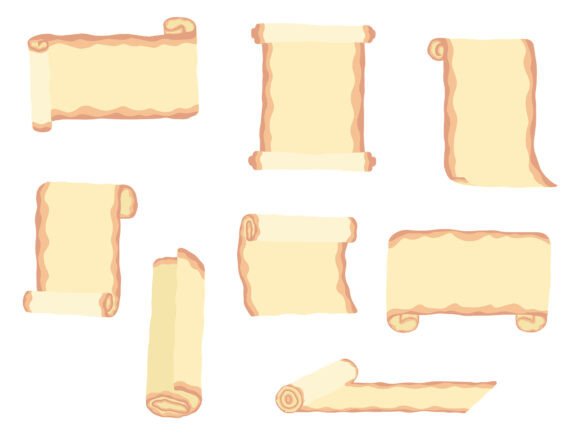
The first thing that catches the eye is the mood of Rolled Up Paper Illustration. It feels like a handcrafted piece of art, with a soft, organic shape that suggests something personal and meaningful. The layout is clean, with a central focal point that could easily translate into a variety of embroidery applications. The detail level is moderate—enough to add visual interest without being overwhelming. This makes it ideal for projects that need a touch of sophistication without too much complexity.
This design seems to belong in a space where simplicity meets elegance. It’s perfect for handmade products, personalized gifts, or boutique merchandise that aims to feel authentic and artistic. Whether it’s on a tote bag, a pillow, or a baby onesie, it has the potential to elevate the overall aesthetic of the finished product.
Real-World Use: Where Does It Shine?
I tested Rolled Up Paper Illustration on several common embroidery projects, including a custom tote bag, a sweatshirt, and an embroidered patch. In each case, the design held up well, especially when used with appropriate stitch density and stabilizer. On a cotton tote, it looked crisp and professional, while on a sweatshirt, the design maintained its clarity even after multiple washes.
For small business owners and Etsy sellers, this design could be a great addition to a printable mockup collection or a digital product listing. Its versatility allows it to be adapted for different fabrics and applications, making it a valuable asset in a designer’s toolkit. Whether you're creating wall art, mugs, or wedding invitations, Rolled Up Paper Illustration offers a consistent visual theme that can be easily integrated into various formats.
Where to Be Cautious: Limitations and Considerations
While Rolled Up Paper Illustration is generally well-suited for most embroidery projects, there are some areas where caution is needed. If you’re working with small hoop sizes, the design may require careful placement to avoid distortion. Similarly, on textured or stretchy fabrics, the stitches might not lay flat as intended, which could affect the final look.
On dark fabrics, the contrast between the design and the background is important. If the design uses light thread colors, it may not stand out as effectively. For thin or delicate materials, such as sheer fabric or lightweight knits, the design might not hold up well over time. Always test the design on scrap fabric before committing to a larger project.
Another consideration is the design’s intricate details. If the illustration includes tiny elements or fine lines, they may not translate well to certain embroidery techniques, such as running stitch or satin stitch. In such cases, simplifying the design or adjusting the stitch density could help maintain clarity and visual appeal.
Impact on Visual Appeal and Customer Perception
When it comes to visual appeal, Rolled Up Paper Illustration has a strong presence. Its clean lines and natural shape make it easy to recognize and remember, which is important for brand consistency and customer engagement. As a handmade product or personalized gift, it adds a sense of craftsmanship and attention to detail that customers often appreciate.
In commercial embroidery projects, the design can enhance the perceived value of the finished product. Whether it’s on a custom apparel item or a small shop merchandise piece, it contributes to a more professional and polished look. This can increase customer trust and encourage repeat business, especially for crafters and Etsy sellers looking to build a loyal audience.
Practical Designer Notes: What to Check Before Using
Before using Rolled Up Paper Illustration in your own projects, here are a few key steps to take:
- Test on scrap fabric: Always check how the design looks on the actual material you plan to use. This helps identify any issues with stitch density, thread color, or fabric texture.
- Review stitch density: Ensure the design isn’t too dense or too sparse, depending on the fabric type and project needs.
- Confirm hoop size: Make sure the design fits within your machine’s hoop size. If not, consider resizing or splitting the design.
- Inspect small details: Pay close attention to corners, edges, and intricate elements to ensure they translate well to embroidery.
- Check black and white mockups: This helps assess how the design will look on different backgrounds, especially if you’re planning to sell it as a digital product.
- Use proper stabilizer: Stabilizer is essential for maintaining the integrity of the design, especially on delicate or stretchy fabrics.
- Verify licensing: If you’re selling finished items or digital products, make sure you have the correct license to do so.
By taking these steps, you can ensure that Rolled Up Paper Illustration works well in your specific context and meets the expectations of your customers.
Final Thoughts: A Design Worth Considering
Overall, Rolled Up Paper Illustration is a solid choice for embroidery designers, small business owners, and crafters looking for a versatile and appealing design. Its clean aesthetic and adaptability make it suitable for a wide range of projects, from custom apparel to holiday gifts. However, like any design, its success depends on how it’s applied and the care taken during the embroidery process.
If you’re looking for a design that can add a touch of creativity and professionalism to your work, Rolled Up Paper Illustration is definitely worth exploring. Just remember to test it thoroughly and consider the specific requirements of your project before moving forward.